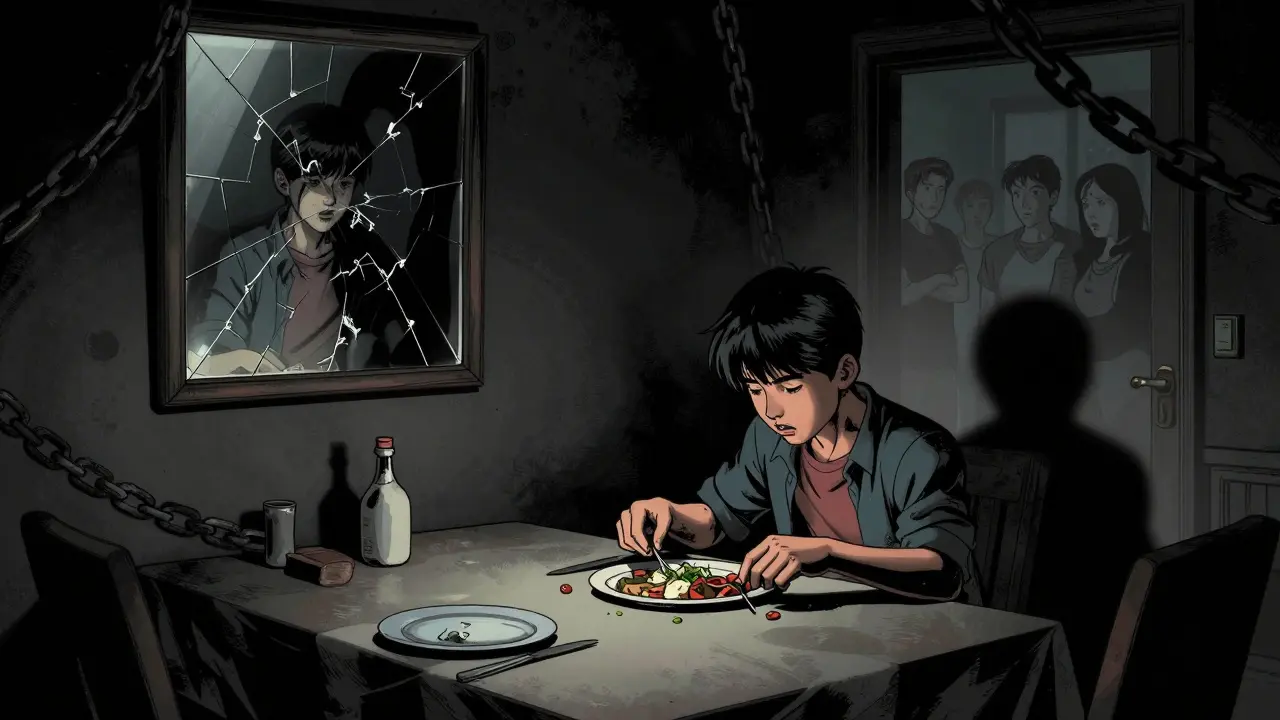
When does anorexia become serious enough to require hospitalization? In the Czech Republic, this isn't a decision made lightly. It’s not just about being underweight-it’s about whether your body can survive another day without medical intervention. For many, the moment they’re told they need to be admitted feels like a failure. But the truth is, hospitalization isn’t punishment. It’s a lifeline.
When is hospitalization truly necessary?
There are clear medical thresholds. If your BMI drops to 16 or lower, doctors in Czech specialized centers like the one at 1st Faculty of Medicine, Charles University and VFN in Prague will strongly recommend hospitalization. That’s not just a number-it’s the point where your heart, kidneys, and bones start breaking down. A weight loss of more than 25% of your original body weight is another red flag. Your body isn’t just thin-it’s starving.
But physical numbers aren’t the whole story. If you’re too weak to stand without dizziness, your heart rate is dangerously low, or you’ve stopped menstruating for months, these aren’t signs you can ignore. They’re your body screaming for help. And if you’ve tried outpatient therapy for months with no progress-no weight gain, no change in thoughts about food-then hospitalization becomes the only way to break the cycle.
What happens inside a hospital unit for eating disorders?
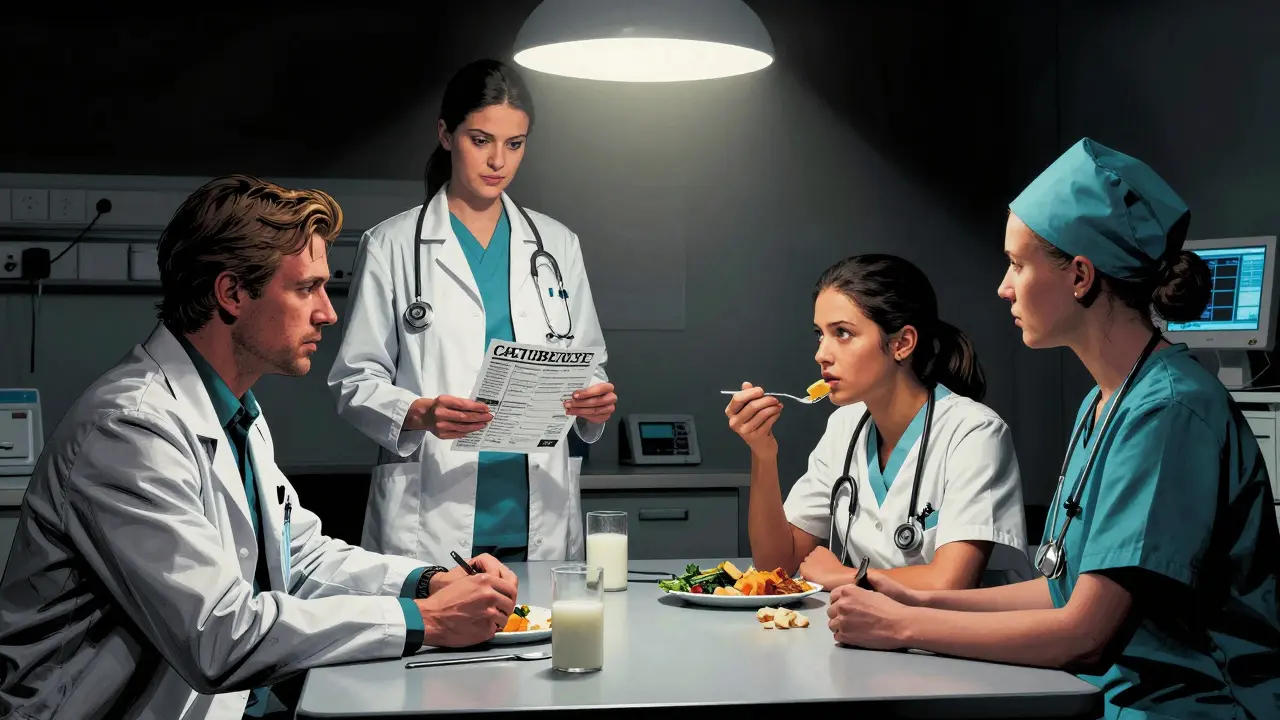
It’s not like a regular hospital ward. The environment is structured, controlled, and carefully monitored. You’ll eat meals at set times, with staff present to ensure you finish. Snacks between meals? Yes. Skipping dinner? No. The goal isn’t to punish you for not eating-it’s to retrain your body and your brain to accept food as survival, not threat.
At the center in Prague, the average stay lasts about 41 days. Some stay six weeks. Others, especially those with long-term illness or complications, may need up to three months. During that time, you’ll work with a team: a psychiatrist, a psychologist, a nutritionist, a nurse, and sometimes a physiotherapist. Every meal is part of therapy. Every conversation is part of healing.
Parenteral nutrition (IV feeding) or nasogastric tubes are used only if absolutely necessary-when the body is too damaged to absorb food orally. But even then, the goal is always the same: get you back to eating normally as quickly as possible. These methods aren’t permanent solutions. They’re emergency bridges.
Who qualifies for hospitalization?
You don’t just walk in. Admission requires a referral from your outpatient psychiatrist. Your condition must be stable enough to survive the transfer-no active infections, no severe electrolyte imbalances that need immediate ICU care. If you’re under 18, you’ll usually be admitted first to a pediatric ward to stabilize your vitals, then transferred to the psychiatric unit for long-term psychological treatment.
And yes-you have to be willing. Even in a hospital, treatment only works if you’re cooperating. Forced feeding doesn’t fix the mind. It might save the body, but real recovery starts when you begin to question your fear of food. That’s why motivation matters more than weight on the scale.
What does recovery look like in the hospital?
Progress isn’t measured in pounds alone. It’s measured in small victories: eating a slice of cake without panic, sitting through dinner without leaving the table, spending an afternoon outside without feeling guilty. Each step comes with more freedom. You earn extra time outside the unit. You start visiting with family. You’re allowed to walk to the cafeteria alone. These aren’t rewards-they’re signs you’re ready to face the world again.
The target weight? For adults, it’s a BMI between 18.5 and 20. For teens, it’s about reaching the 50th percentile on growth charts. But even when you hit that number, the work isn’t over. The real test comes after discharge-keeping the weight, staying connected to therapy, resisting old habits. That’s why the hospital builds a contract with you: a written agreement on your target weight, your meal plan, your follow-up appointments. Break it, and you lose privileges. Keep it, and you earn trust.
Why is access so limited in the Czech Republic?
There are only a handful of specialized inpatient units for eating disorders in the entire country. The main one is in Prague. Others exist in Brno, Ostrava, or Plzeň-but capacity is tight. Waiting lists can be months long. That’s why many patients end up in general hospitals, where staff aren’t trained for eating disorders. That’s why so many people slip through the cracks.
The system is trying to change. The Czech Ministry of Health is shifting funds toward outpatient teams-bringing nutritionists, internists, and psychologists together in community clinics. The goal is to treat more people before they reach crisis point. But for now, if you’re in acute danger, hospitalization is still your only real option.

What happens after you leave?
Discharge doesn’t mean you’re cured. It means you’ve stabilized. The real challenge begins when you go home. That’s why every patient leaves with a detailed aftercare plan: weekly therapy, monthly check-ins with a nutritionist, emergency contacts, and a clear warning: if you start losing weight again, call immediately. Relapse is common. Up to 20% of people with anorexia need repeated hospital stays.
But recovery is possible. Many who leave these units go on to finish school, build careers, have families. They don’t forget the fear. But they learn to live with it. And they never go back to the scale.
What if you’re scared to go?
It’s normal to be terrified. You’ve been told your whole life that control equals safety. Being hospitalized feels like losing control. But here’s the truth: the hospital isn’t taking your freedom-it’s giving you back your life. You don’t have to believe it yet. You just have to show up. One meal at a time.
Je nutné být hospitalizován, pokud mám BMI 17?
BMI 17 je již pod hranicí, kde se začínají objevovat rizikové příznaky, ale hospitalizace není automatická. Pokud jste stabilní, nemáte srdeční arytmie, neztrácíte hmotnost a spolupracujete s ambulantním týmem, může být léčba venkovní dostatečná. Nicméně pokud BMI klesne pod 16 nebo pokud dochází k rychlému úbytku hmotnosti, je hospitalizace doporučena.
Může být pacient nucen k hospitalizaci?
V České republice je hospitalizace pro poruchy příjmu potravy obvykle dobrovolná. Nucená hospitalizace je možná jen v případě, že pacient představuje okamžitou hrozbu pro život (např. těžká arytmie, elektrolytový rozvrat) a odmítá léčbu. Takové případy jsou vzácné a vyžadují soudní rozhodnutí.
Jak dlouho trvá hospitalizace při anorexii?
Průměrná doba hospitalizace v České republice je 41 dní, ale může se pohybovat od 6 do 12 týdnů. Kratší pobyt je možný u pacientů s rychlým pokrokem, delší u těch s chronickou anorexií nebo komorbiditami jako deprese nebo zneužívání látek.
Je možné být hospitalizován i jako dospívající?
Ano, ale děti a adolescenti nejprve často procházejí pediatrickým oddělením, kde se stabilizuje jejich fyzický stav. Až po zklidnění metabolického rozvratu jsou převedeni na psychiatrické lůžkové oddělení, které je specializované na psychologickou léčbu poruch příjmu potravy.
Co se stane, pokud se mi nepodaří přibýt na váze v nemocnici?
Pokud se nezdaří dosáhnout minimálního přírůstku hmotnosti, léčebný tým zváží prodloužení hospitalizace nebo změnu terapeutického přístupu. V extrémních případech může být zvážena nucená výživa, ale jen jako poslední možnost. Většinou se pracuje na tom, aby pacient začal spolupracovat-bez spolupráce není léčba účinná.