When a child moves from elementary to secondary school, it’s not just a change of classroom or teacher. It’s a whole new world. New building, new rules, new people, and suddenly, they’re expected to manage more subjects, more homework, and more pressure-all while their emotions are already on high alert. This transition, happening between ages 14 and 16, isn’t just a milestone-it’s a critical turning point that can shape a teenager’s confidence, mental health, and future academic success.
Co se děje v hlavě dítěte při přechodu?
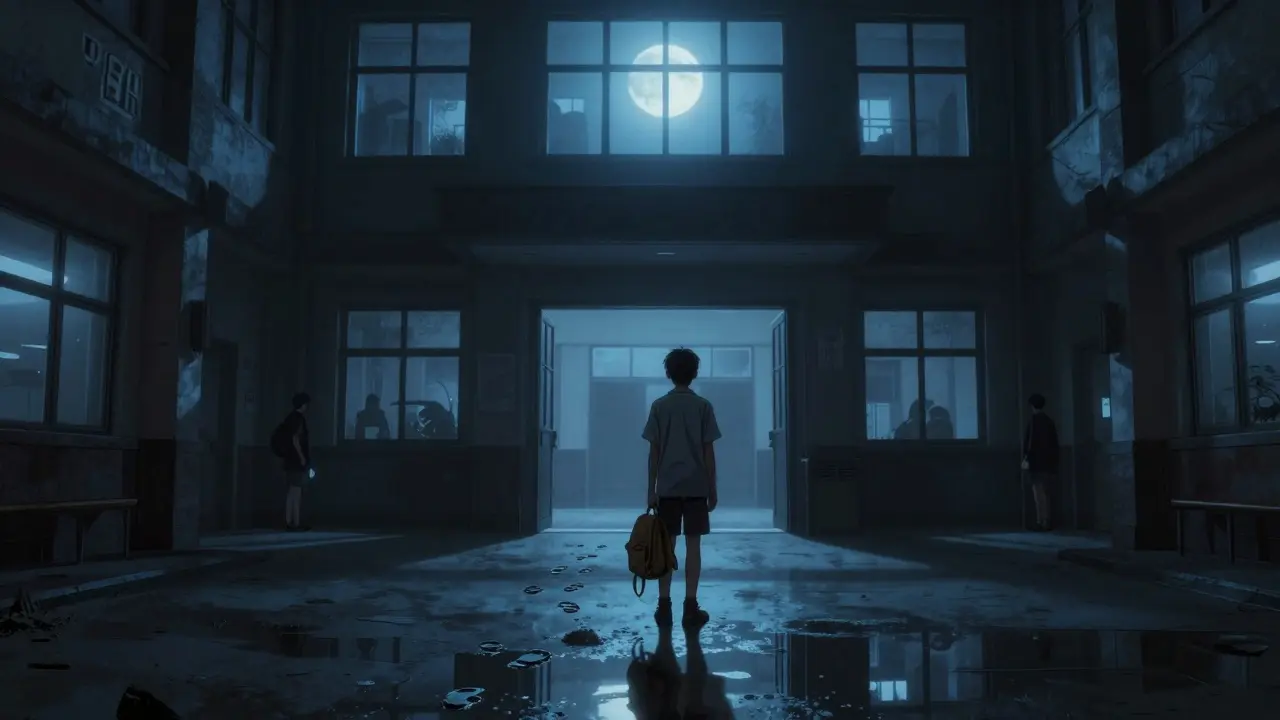
Imagine being told you’ll soon be in a school twice as big, with hundreds of strangers, where you have to find your way around without a map, and where teachers don’t know your name yet. For many kids, this isn’t just anxiety-it’s fear. They worry about fitting in, about failing, about being left behind. Some become quiet, others act out. A child who was once cheerful in 8th grade might suddenly stop raising their hand, skip lunch, or refuse to go to school. These aren’t just "bad days." They’re signals.
According to the Czech School Act No. 561/2004, schools are legally required to support students with individual needs. But support doesn’t mean just handing out extra time on tests. Real help starts long before the first day of secondary school. The biggest mistake? Waiting until the child breaks down. The best approach? Preparing them early.
Co je terapeutická podpora a proč je jiná než běžná školní pomoc?
Most schools offer group workshops or general advice: "Be brave," "Ask for help," "It’s normal to feel nervous." But for kids with deeper struggles-trauma, anxiety, ADHD, autism, or family stress-those generic messages fall flat. That’s where therapeutic support steps in.
Therapeutic support isn’t about fixing behavior. It’s about understanding the person behind it. It includes:
- Individual therapy sessions with a school psychologist or special educator
- Group therapy that builds social skills through role-playing and drama therapy
- Family sessions to improve communication at home
- Individual Educational Plans (IVP) tailored to the child’s emotional and learning needs
- Collaboration between elementary and secondary schools so the transition is smooth, not sudden
Unlike regular school counseling, which often focuses on the whole class, therapeutic support is personalized. One child might need help managing anger after a family loss. Another might struggle with sensory overload in crowded hallways. A third might be afraid to speak up because they’re an immigrant and don’t feel confident in Czech. One size doesn’t fit all-and therapy knows that.
Kdo to dělá a kde najít pomoc?
In the Czech Republic, there are 285 school counseling centers and 16 regional ones. These are staffed by psychologists, special educators, and sometimes drama therapists. They don’t wait for parents to ask. They actively reach out, especially in the 8th grade of elementary school, when the transition process should already be underway.
Here’s what happens in practice:
- The elementary school’s counseling center contacts the future secondary school to understand what accommodations are possible-like extra time on entrance exams, a support assistant, or a quiet room for breaks.
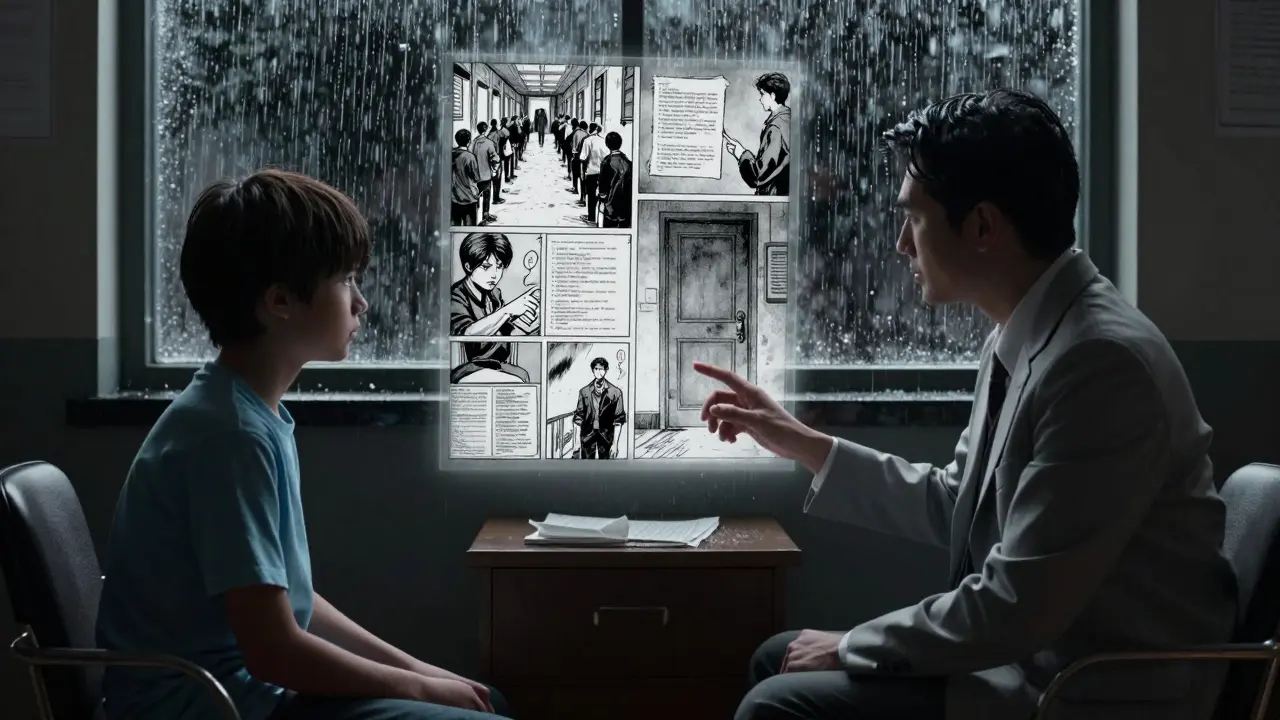
- They meet with the child individually to talk about fears, expectations, and past experiences.
- If needed, they create an Individual Educational Plan (IVP) that outlines exactly what support the student will get-whether it’s modified assignments, emotional check-ins, or access to a calm space.
- They organize visits to the new school so the child can walk the halls, meet teachers, and see the cafeteria before the first day.
- They offer group sessions where kids share their worries and learn coping strategies together-like breathing exercises, journaling, or using emotion-tracking apps.
Some regions even use drama therapy. Kids act out scenarios: walking into a new classroom, asking for help, dealing with a bully. It’s not pretend-it’s practice. And it works. A 2023 study from the Ministry of Education showed that students who went through drama-based transition programs had 40% fewer behavioral incidents in their first term at secondary school.
Co mohou rodiče udělat?
Parents aren’t spectators-they’re essential partners. But many don’t know how to help. They say, "Just be strong," or they avoid the topic because they’re scared themselves.
Here’s what actually helps:
- Talk openly-ask your child: "What are you most nervous about?" Don’t rush to fix it. Just listen.
- Visit the new school together-walk the corridors, sit in a classroom, eat in the cafeteria. Familiarity reduces fear.
- Connect with the counseling center-don’t wait for them to call. Reach out early. Ask: "What support is available for my child?"
- Join a parent group-many counseling centers offer sessions just for parents. Sharing experiences with others who understand is powerful.
One mother from Brno shared: "I didn’t realize how much my daughter was holding in until we started going to the family therapy sessions. She told us she thought no one noticed she cried every night. We didn’t know. Now we do. And that changed everything."
Co se děje v Česku v roce 2026?
The system is getting better. In 2023, the Ministry of Education launched a nationwide project to ensure every school has access to a psychologist. By 2025, the goal is one psychologist per 1,000 students. That’s a big step forward.
There are also new digital tools. Some schools now use apps that let students anonymously log their mood each day. If a child marks "overwhelmed" three days in a row, the system alerts the counselor. It’s not surveillance-it’s early warning.
And funding is increasing. Between 2021 and 2027, 120 million CZK from EU funds is being invested in transition programs. This money is going toward training teachers, expanding therapy services, and building bridges between elementary and secondary schools.
But challenges remain. In rural areas, access is still limited. Some families don’t know these services exist. Others fear stigma-thinking therapy means their child is "broken." That’s why awareness matters. Therapy isn’t for broken kids. It’s for kids going through big changes. And every child deserves support during those times.
Proč to všechno dělat?
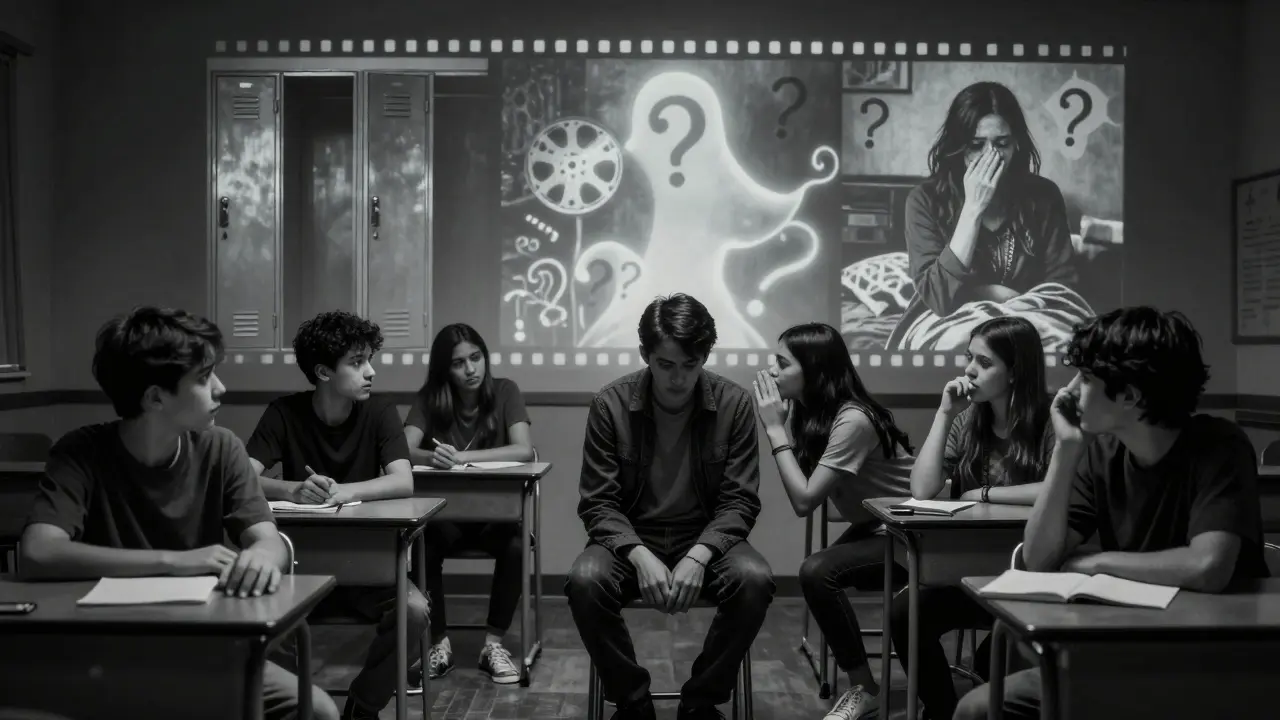
Because the consequences of not acting are real. A child who feels unsupported during this transition is more likely to:
- Drop out of school
- Develop chronic anxiety or depression
- Struggle with relationships for years
- Believe they’re not good enough
But a child who gets the right support? They learn resilience. They learn to ask for help. They learn they’re not alone. And that’s not just good for school-it’s good for life.
Co dělat, pokud se vaše dítě už přihlásilo na střední školu a začíná mít potíže?
It’s never too late. Even if your child is already in 1st year of secondary school and struggling, help is still available. Contact the school’s counseling center immediately. Ask for:
- An assessment of emotional needs
- Adjustments to exams or classwork
- Access to individual or group therapy
- A meeting with teachers to align expectations
Don’t wait for grades to drop. Don’t wait for tantrums to start. Reach out now. Your child doesn’t need to suffer in silence.